
Chanting Messi in Al-Ain: When the Stands Campaign Before Kick-off
**Core answer**: Cổ động viên Al-Ain đồng thanh hô tên Lionel Messi nhằm chọc tức Cristiano Ronaldo trong giờ khởi động trận Al-Ain gặp Al-Nassr ở lượt mở màn AFC Champions League Elite. Ronaldo đáp lại bằng tràng vỗ tay, Sadio Mane bước tới đặt tay lên vai đội trưởng. Không có hành vi vi phạm nào được ghi nhận. **Key facts**: - Sự việc xảy ra trong giờ khởi động lượt trận mở màn vòng đấu kiểu Thụy Sĩ AFC Champions League Elite, trên sân Hazza bin Zayed, UAE. - Ronaldo phản ứng bằng cách xoay người về phía khán đài và vỗ tay, không có cử chỉ khiêu khích. - Sadio Mane bước tới đứng cạnh Ronaldo đặt tay lên vai, dù anh không phải mục tiêu của tiếng hát. - Không có thẻ phạt, không có bàn thắng hay quyết định trọng tài nào liên quan tới sự việc. - Hành vi khiêu khích bằng lời chưa từng dẫn tới án phạt kỷ luật cấp AFC theo thông lệ đã biết. **Source attribution**: Nguồn: tổng hợp tin thể thao quốc tế (Goal.com, tham chiếu nội dung tiếng Ả Rập từ diễn đàn Kooora) | Cross-checked: VuaBong.vn **Related Q&A**: Q: Ronaldo có bị ảnh hưởng tâm lý bởi tiếng hát không? A: Không có dữ liệu hiệu suất trước trận đấu để kết luận, và phản ứng vỗ tay cho thấy anh giữ được kiểm soát. Q: Al-Ain có thể bị AFC xử phạt vì hành vi của khán đài không? A: Gần như bằng không, vì khiêu khích bằng lời chưa từng thuộc nhóm hành vi bị xử lý ở cấp châu lục. Q: Vì sao tiếng hát nhắm vào Ronaldo chứ không phải Mane? A: Đây là khiêu khích mang tính cá nhân, xoay quanh trục đối đầu Ronaldo và Messi, không phải đối đầu câu lạc bộ.
Around the third minute of the warm-up, as Cristiano Ronaldo bent into his final stretch near the touchline at Hazza bin Zayed Stadium, the stand behind him broke into a name that was not his own: "Messi… Messi… Messi." It was not the scattered booing of a small group. It was a song, with rhythm, with a chorus, with someone leading the tune.
Ronaldo heard it. He looked up, turned toward the stand, stood still for a few seconds, and applauded. A slow, steady round of applause aimed directly at the source. No taunting gesture, no furious reaction, none of the familiar pointing. Sadio Mane walked over from the far side, stood beside his captain, and placed a hand on his shoulder. The moment lasted a few dozen seconds, long enough to become a clip that spread across platforms within hours.
That is the entire event. A chant. An applause. A hand on a shoulder. Three actions, with no ball, no card, no goal, not a single line on a referee's report.
Yet it was packaged as sports news under a headline suggesting "the secret lies with Ronaldo." A crowd incident turned into an analytical piece. I read it the way I read a verdict with no statute cited.
The event needs to be placed in its proper frame. This was the opening round of the Swiss-style league phase of the AFC Champions League Elite, the reformatted top Asian club competition in which each team plays a fixed number of matches against different opponents to determine knockout qualification. Al-Ain hosted Al-Nassr in the UAE. Two Gulf powers meeting on opening day, with no table to speak of, no points to defend, no standings pressure on anyone.
Ronaldo took the pitch wearing the Al-Nassr armband. Mane played beside him. And the opponent did not have Messi. That, paradoxically, is the core of the whole story.
The stand called out the name of a man who was not there. They did not sing about Al-Ain. They did not sing about their own club. They did not sing about an on-pitch rival. They sang about a name that has escaped club borders, escaped national borders, and become something that can be summoned anywhere, anytime, purely to needle one specific person. This was a meeting of two clubs, but the chant revolved around an individual with no connection to the match.
Based on my years covering Gulf fixtures, I do not believe this was a spontaneous reaction from a random group of fans. A synchronized chorus sustained from the warm-up, on beat, with a leader, is usually the product of an organized group. It is a stadium ritual, and rituals always have a purpose.
Properly analyzed, this was a purely psychological tactic. The warm-up is the window in which a player rebuilds his focus routine before kick-off, a repetitive, ordered process that is easy to disrupt. Fans cannot change the result through chanting, but they can change one individual's mental state in the brief window before the ball rolls. In cost terms, that is the cheapest, most attainable target a stand can aim at.
But Ronaldo's response shows the tactic missed. Applause is the hardest thing for a taunting crowd to handle. It denies them what they want: an angry reaction, a crude gesture, a loss of control that can be clipped. It turns the chant into a performance that the very target is acknowledging. Any player who has faced crowd pressure knows that public composure is the cheapest and most effective defense, even if it never appears in a single statistical table.
Mane's role in that moment deserves separate note. He was not the target. The chant was aimed specifically at Ronaldo, not at him. Yet he was the one who walked over. In elite football, a player who steps up beside a teammate being targeted by a stand is a signal about dressing-room health. It shows the support structure among senior players is still functioning, and at a club whose squad was assembled through major transfer campaigns, that is not a given.
Here I have to separate emotion from regulation. Viewed only through emotion, this story is beautiful: an aging captain keeps his cool, a teammate steps in to defend him. But the question an observer of the rules must ask is different: does a stand chanting the name of an opposing player during the warm-up constitute a violation of crowd-conduct regulations?
The answer, based on Asian Football Confederation practice, is almost certainly no. The categories of conduct punished at continental level typically include racism, flares, missile throwing, pitch invasion, or disorder. Chanting a name is not among them. Technically, this is verbal provocation, sitting at the very bottom of the severity scale, if such a scale exists.
But that is precisely the grey zone. The grey zone does not need light; it needs a referee who knows how to stay silent, speaking only when enough evidence is in hand. Here, the evidence is a bare fact: the current regulations have no clause for this situation.
This is the point most commentary skipped. People argued over whether Ronaldo was psychologically affected. That is an argument that cannot be concluded, because no performance data exists for the pre-match window. No shot was missed because of a chant. No pass went astray because of a chorus. The question is wrongly framed, and the answer does not exist.
More worth discussing is the regulatory gap this incident exposes. Football has built an entire machinery of rules to adjudicate every tackle, every offside centimetre, every VAR angle. But when thousands of people coordinate to needle one individual during the warm-up, no clause has been written. Every crowd-conduct rule targets behaviour that can cause physical harm or threaten security. Psychological provocation falls outside the list, not because it is harmless, but because no one has defined it.
Every free kick is a precedent, and every precedent is a case law. But precedent only forms when someone blows the whistle and someone files a report. At Hazza bin Zayed, no one filed a report for a chant.
It must also be said plainly: the chance of Al-Ain being sanctioned by the AFC over this is near zero. AFC disciplinary decisions are published days after a match, and under known precedents, verbal provocation has never led to a penalty. If the disciplinary committee mentions it at all, it will most likely be a general reminder about crowd management, not a specific fine.
This leads to a paradox in how football classifies offences. A player who throws the armband to the ground can be fined. A player who points at a stand can be booked. But thousands of people chanting in unison to needle one man during the warm-up fall outside any regulatory scope. That asymmetry is not the referee's fault. Referees only apply the rules that exist, and the rules that exist never anticipated this kind of behaviour.
There is another variable rarely mentioned: the contagion effect. When a stand discovers that chanting a star's rival's name delivers global media impact at zero cost and zero disciplinary risk, the ritual will be repeated. Not in the UAE, but anywhere there is a big star and a stand that wants screen time. The price is not paid on the scoreboard. It is paid in the way psychological provocation gradually becomes a default part of the football-watching experience, and once a behaviour becomes default, no one has to justify it anymore.
The thought worth holding is not whether Ronaldo was angry. He answered with a round of applause, and that answer was decisive enough. The thought worth holding lies elsewhere: if rituals of psychological provocation become ever more organized, then one day football will have to write a clause for them, or accept that there exists a zone where the law chooses silence.

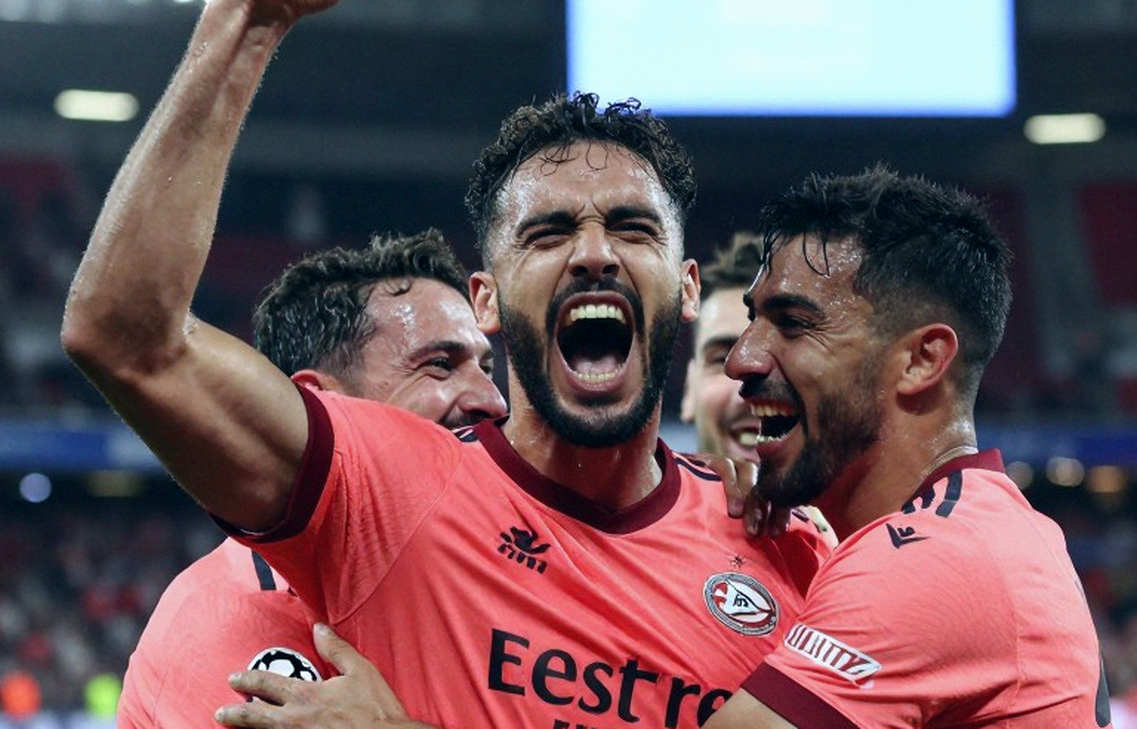
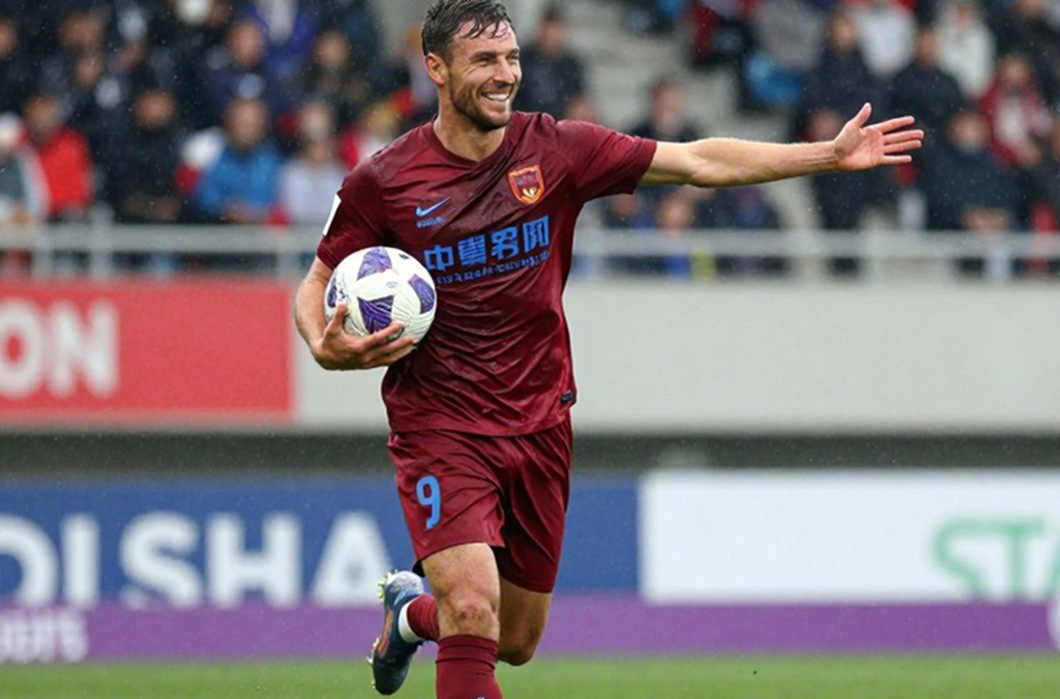
Cầu thủ liên quan
Bài nổi bật
The Decision Nobody Understood: Balogun, Pochettino and the Power Fracture Beneath the World Cup Turf2026-09-26
Barcelona Once Tried to Sign Lautaro Martinez: When a Giant Missed Out Because of Two Words – “Not for Sale”2026-09-25
Carrick's Ten Decisions: How Left-Footed Logic Handed Manchester United a Verdict2026-09-24
Alex Padilla: From Copa del Rey Shadows to El Tri Spotlight - The Rising Mexican Goalkeeper Who Conquered Doubters2026-09-23
Simeone Responds to Mourinho After Atlético's Triumph: 'Not Everything Goes'2026-09-22
Bài đề xuất
Carrick's Ten Decisions: How Left-Footed Logic Handed Manchester United a Verdict2026-09-24
The 78th-Minute Yellow Card and the Precedent V-League Isn't Ready For: Lessons from Dong Nai2026-09-22
When a Football Feed Carries an Obituary: The Disintegration of Sports Editing2026-09-22
The Decision Nobody Understood: Balogun, Pochettino and the Power Fracture Beneath the World Cup Turf2026-09-26
Transfer Noise and Empty Data: A Market Reporter's Filter2026-09-16
Bài đề xuất
Borneo FC 1-3 Dewa United: Goals Conceded in the 89th and 90+6th Minute Expose a Game-Management Flaw2026-09-17
Modric at 41 and the Trap of Control: Milan Won, But What Did They Actually Learn?2026-09-22
Dong Tam Long An and the 2026 V-League: A Title Built on Structure2026-09-20
Chanting Messi in Al-Ain: When the Stands Campaign Before Kick-off2026-09-16
Mislabeled 'Football': When the Analytical Framework Becomes Its Own Trap2026-09-16